Refreshing July: How to Beat Extreme Heat with Efficient Wall-Mounted Ventilation
12 July 2026
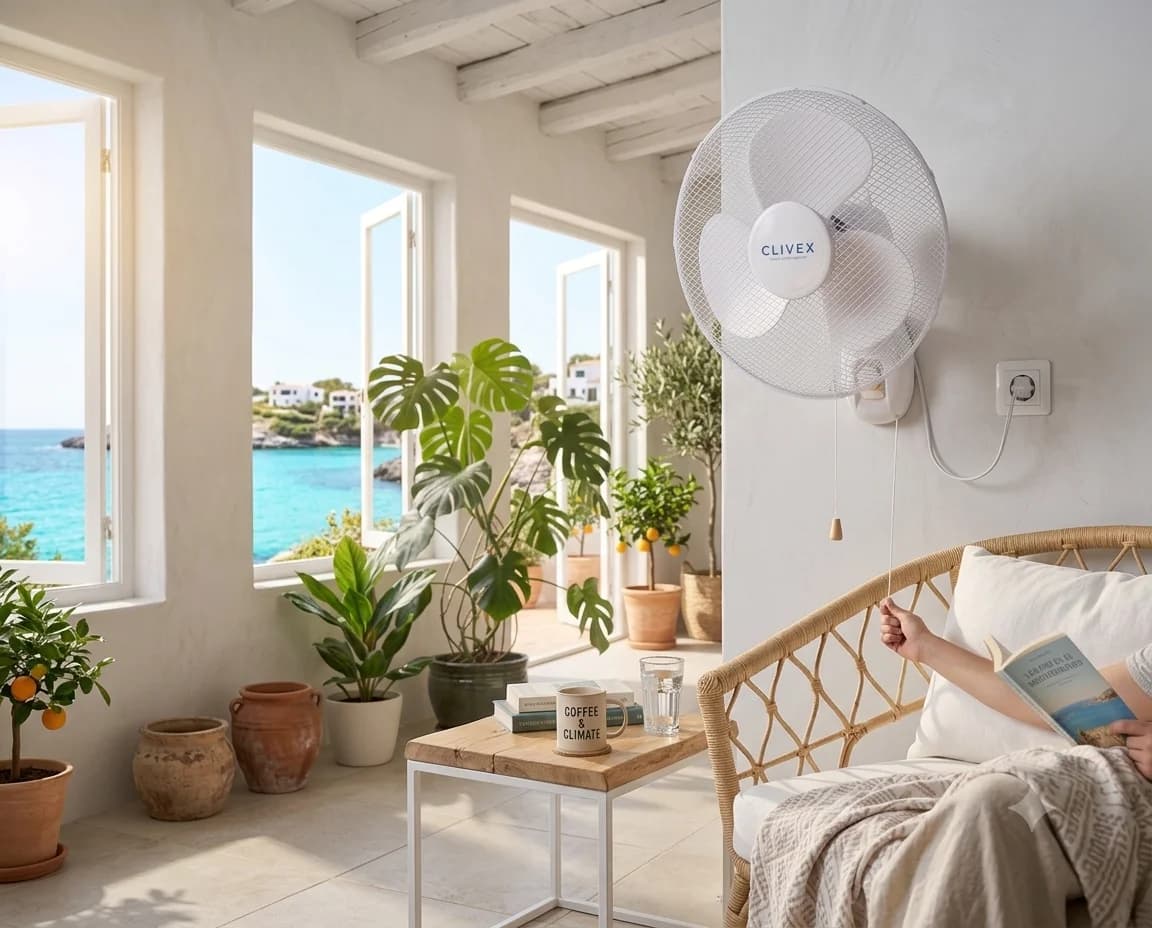
July has arrived and, with it, the heatwaves that turn homes, offices and workspaces into veritable ovens.
The apparent temperature frequently exceeds 35 °C, the air becomes stagnant in rooms, and the continuous use of air conditioning drives electricity bills up to unsustainable levels.
In this context, more and more users are looking for smart, sustainable and low-energy alternatives to keep their spaces cool without compromising on comfort. Wall-mounted ventilation is positioned as one of the most efficient solutions: it frees up floor space, distributes air evenly and consumes a fraction of the energy used by a conventional air conditioning system.
The Technical Challenge: Why Heat Builds Up and How to Combat It
Understanding the physics of heat is key to choosing the right solution:
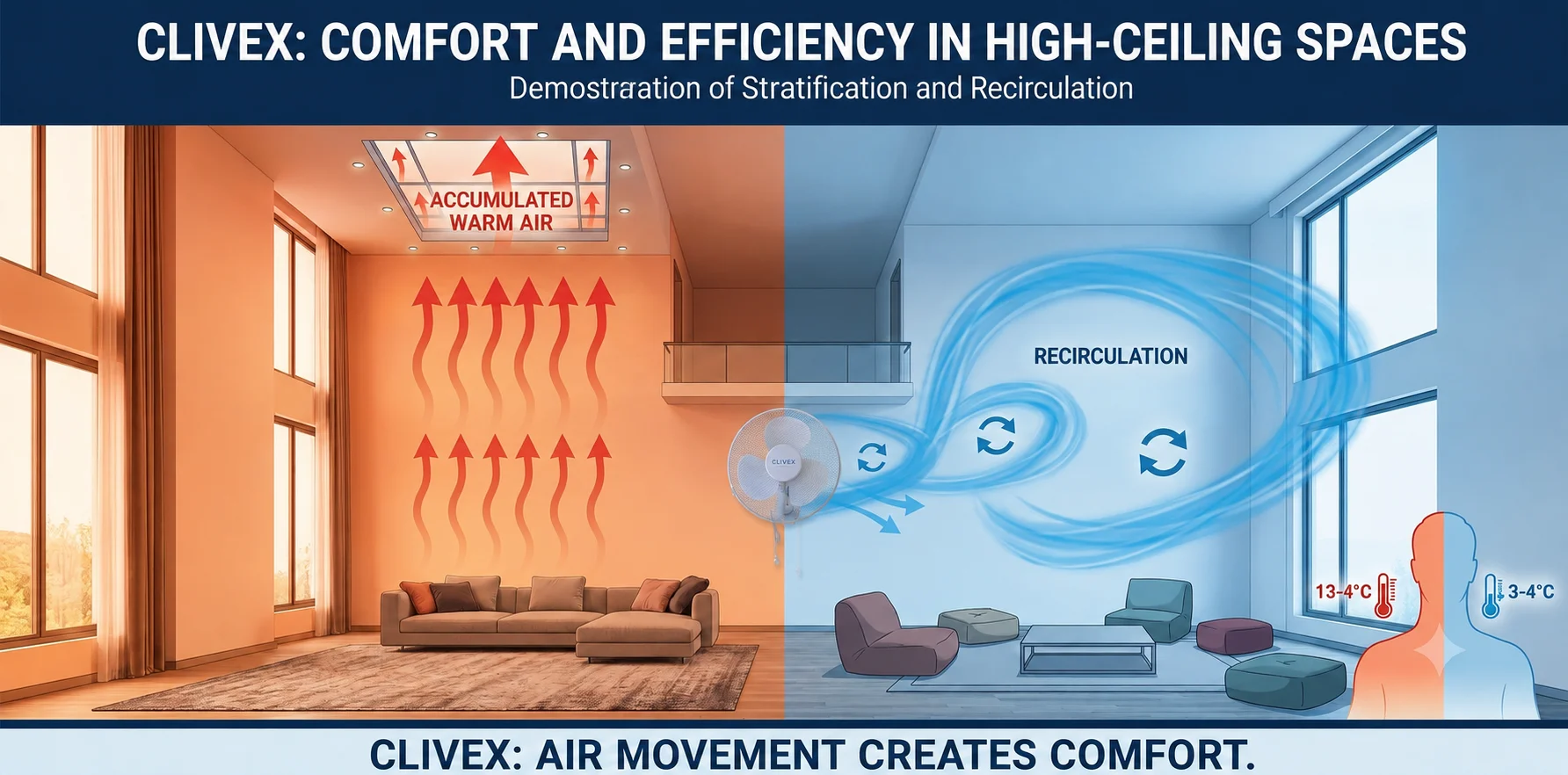
Hot air rises: being less dense, it accumulates in the upper areas of the room, creating a thermal layer that is difficult to dissipate without forced air movement.
Stagnant air pockets: when there is no air circulation, stagnant areas form where relative humidity increases, encouraging a stuffy feeling and even the appearance of mould.
Breeze effect and apparent temperature: moving the air continuously accelerates the evaporation of sweat from the skin, reducing the perceived temperature by up to 3–4 °C without the need for mechanical cooling.
Oscillation and projection angle: a fixed head only cools one specific area. Wide oscillation ensures that the air reaches every corner, eliminating hot spots and equalising the temperature.
In summary: you do not always need to cool the air; often, simply moving it properly is enough.
Selection Guide and Practical Tips
Before installing your wall-mounted fan, keep these key points in mind to maximise its performance and extend its service life:
- Optimal location
Install the fan high on a wall, preferably above 2 metres. This allows you to take advantage of the physics of hot air: the fan pushes down the layer of warm air accumulated at the ceiling, creating a downward airflow that cools the entire room.
- Smart oscillation adjustment
Use the 45° angle when you want to concentrate the airflow on a specific area (desk, sofa, bed).
Select the 80° setting in large or shared spaces to cover a wider area with a single unit.
- Regular maintenance
Every 2–3 weeks, clean the blades and the protective grille with a dry cloth or a soft brush. Accumulated dust reduces airflow, increases noise and overloads the motor, shortening its service life.
- Electrical compatibility and planning
Check that the electrical installation is 230 V - 50 Hz (the European standard) and ensure that the power socket is no more than 1.55 m from the mounting point, which is the cable length of the Clivex Eco Pared V2. If necessary, plan a dedicated power outlet to avoid using extension leads.